What AI gets right (and wrong) about choosing a heat pump installer

Many homeowners do a lot of research before they ever talk to a contractor. They read articles, compare products, watch YouTube videos, ask neighbors for recommendations, and increasingly, turn to AI tools for answers.
AI can help you understand how heat pumps work, what incentives exist, and what questions to ask installers. But when it comes to actually hiring the right contractor in Massachusetts, generic answers can only take you so far.
Because here’s the thing: a heat pump install in Boston isn’t the same as one in Arizona, Texas, or even Connecticut (which AI pulls answers from). Between Mass Save requirements, older New England homes, snow stand placement considerations, and electrical upgrades, local experience matters — a lot.
So we thought we’d do something interesting: compare the questions AI tools typically tell homeowners to ask contractors with the questions we think actually protect you from missed rebates, surprise costs, and bad installs.
What AI is telling homeowners to ask contractors
If you search “how to choose a heat pump installer” in ChatGPT or another AI tool, you’ll usually get a pretty reasonable list of questions:
- Are you licensed and insured?
- What brands do you install?
- How long will installation take?
- How much will I save?
- Do you offer financing?
- What warranty comes with the system?
- Can I see reviews or references?
None of those are bad questions. They’re good starting points.
But they’re also very generic. AI is designed to give advice that works almost anywhere — not specifically for Massachusetts homeowners dealing with older housing stock, Mass Save® rebates, snow accumulation, or utility-specific requirements.
That’s where the follow-up questions matter.
The Questions We Think You Should Really Ask
“Are you licensed and insured?”
Definitely ask this. But don’t stop there.
In Massachusetts, you should also ask whether the contractor is Mass Save certified — or even better, whether they’re a Mass Save Heat Pump Leader.
Why? Because a licensed contractor who isn’t properly certified can leave thousands of dollars in rebates on the table. A surprising number of homeowners don’t realize that rebate eligibility often depends on who installs the equipment, not just the equipment itself.
Think of a Mass Save Heat Pump Leader as a contractor that has gone above and beyond the basic requirements. These contractors have committed to higher standards around customer education, rebate support, weatherization, advanced training, and installation quality. For homeowners, it's a signal that you're working with a company that's focused on getting the entire project right.
“What heat pump brands do you install?”
AI usually stops at brand recommendations. We’d go one step further and ask:
Are you a Diamond Dealer or top-tier partner for that manufacturer?
That relationship can directly impact your warranty coverage, support, and training. In some cases, it’s the difference between a standard warranty and significantly longer coverage.
The installer matters just as much as the equipment. Plus, if they’re a top-tier partner, that means they’ve installed a hefty amount of equipment, meaning they have a lot of experience.
“How long will installation take?”
A one-day install sounds great. But homeowners should also ask:
Who handles permits, inspections, and rebate paperwork?
Because the install itself might take a day, but the administrative side can drag on for weeks if your contractor isn’t managing it properly – or worse, it falls on you.
Good contractors help navigate the entire process so you aren’t left putting the pieces together.
“What size heat pump do I need?”
This is one of the biggest ones.
Ask whether the contractor will perform a Manual J load calculation (which is required to get the Mass Save rebates) and evaluate your home’s electrical capacity before sizing equipment.
Any contractor giving you a system size without running those calculations is mostly guessing.
An oversized system can short-cycle and run inefficiently. An undersized one may struggle during peak winter temperatures. Either way, you end up paying for it every month.
“How much will I save on my energy bills?”
Generic savings calculators are everywhere online, but Massachusetts utility rates are very specific.
Instead, ask whether the contractor can estimate savings using:
- Your actual utility bills
- Your current heating system
- Your local electricity and gas rates
National averages don’t mean much when you live in a 100-year-old Boston-area home.
We’ve built a calculator that estimates what your monthly costs might be based on 1,000s of installs we’ve done. Again, it’s an estimate based on rough numbers you provide, but if you’re curious you can check it out here.
“Do you offer financing?”
Most contractors will say yes.
The better question is:
Do you help homeowners apply for financing, and combine financing with rebates and incentives?
A good installer understands how to stack rebates, financing, and tax credits in the right order so your upfront costs are dramatically lower.
That process can get complicated fast, especially in Massachusetts.
“What happens if something goes wrong after installation?”
This one matters more than people think.
For many homeowners, a heat pump becomes the primary heating system for the house, so they need peace of mind when it comes to service and repair.
Ask:
- Who handles service calls?
- Is service done in-house or outsourced?
- What’s the average winter response time?
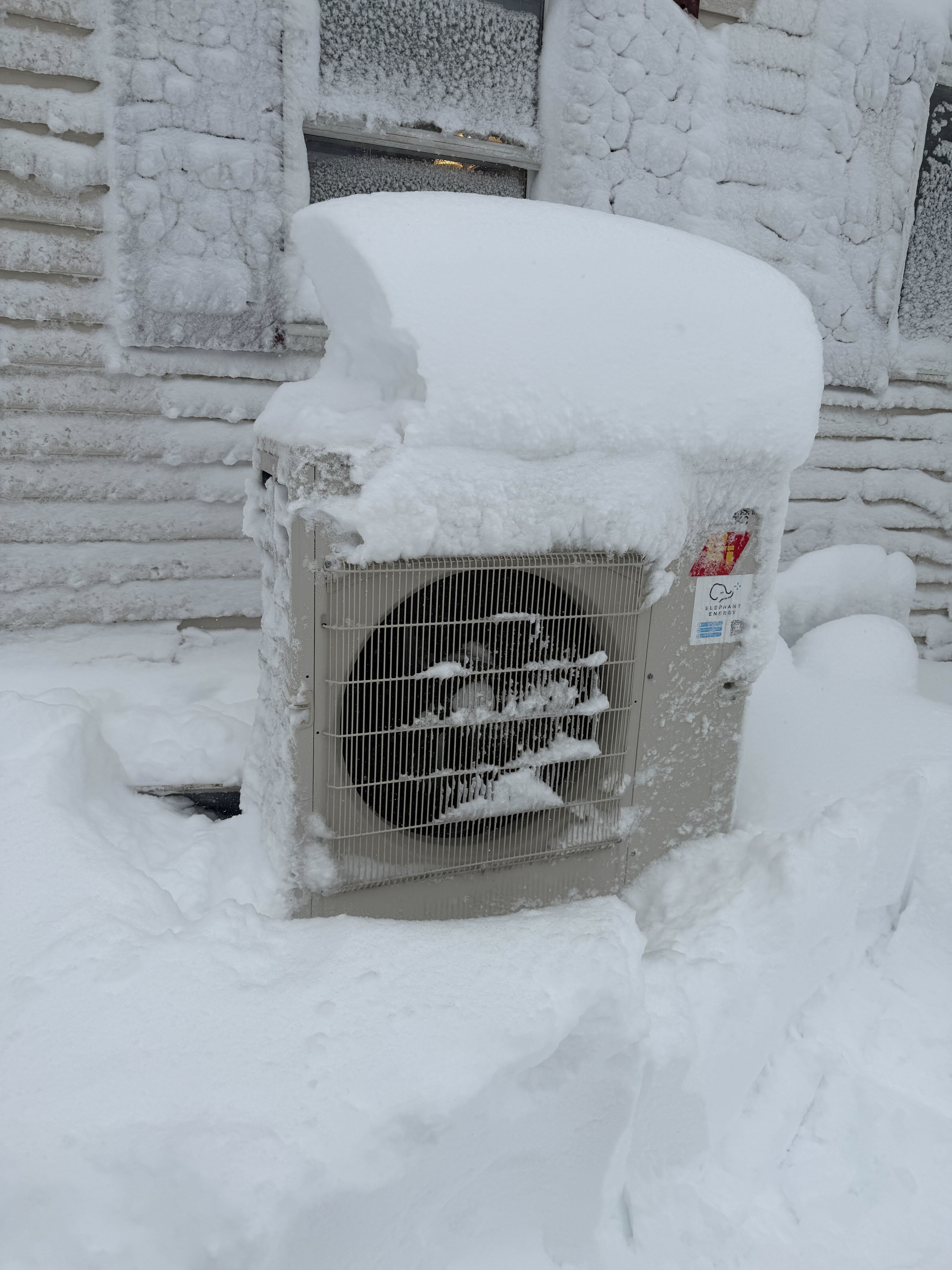
Because when your heat goes down in January in a 2+ feet snowstorm, responsiveness suddenly becomes very important.
“Do you have reviews or references?”
Online reviews are helpful, but they don’t tell the whole story.
Instead, ask:
Can you show me projects in homes similar to mine?
Boston-area homes have unique installation challenges:
- Triple-deckers
- Older capes
- Tight electrical panels
- Limited outdoor placement options
- Steam or oil heating conversions
A contractor who understands those homes will design a much better system than someone relying on cookie-cutter installs.
Check out our project portfolio here.
“What’s included in the quote?”
This is where homeowners get surprised all the time.
Ask whether the proposal includes:
- Electrical upgrades
- Permits
- Removal of old equipment
- Rebate filing support
- Disposal costs
Some lower-priced quotes leave those items out entirely — and homeowners don’t find out until later when unexpected costs start appearing.
The Question AI Almost Never Mentions: “Where Will the Outdoor Unit Go?”
This is one of the biggest differences between generic advice and local expertise.
In Massachusetts, outdoor unit placement matters a lot.
If a system is installed directly on the ground without a snow stand or wall brackets, heavy snow can block airflow and shut the system down. If it’s placed directly beneath a roof drip line, falling ice can damage the equipment.
AI tools generally won’t warn you about snow accumulation or ice dams.
A local Massachusetts installer should.
How to Actually Compare Heat Pump Quotes
A lot of homeowners try to compare quotes by looking at the final number at the bottom of the page.
That’s usually the wrong approach.
The lowest quote often becomes the most expensive project later.
When comparing proposals, make sure you’re looking at:
- Equipment model and efficiency ratings
- Warranty coverage
- Permits
- Electrical work
- Rebate handling
- Labor
- Disposal of old equipment
Then look for red flags:
- No in-home site visit before installation
- Vague warranty language
- No mention of permits
- No discussion of Mass Save incentives or financing options
- Large gaps in scope between quotes
The easiest way to compare contractors is to normalize everything:
- Same equipment tier
- Same rebate assumptions
- Same scope of work
Then ask each contractor to explain why they designed the system they did.
A good contractor should be able to clearly explain their reasoning, and not just hand over a PDF with a price tag. Even better, they walk you through the quote and take time to answer all your questions.
A Quick Note on AI’s Limitations
Tools like ChatGPT can be a great way to learn the basics of heat pumps and home electrification.
But when it comes to choosing the right system for your home, some of the most important details aren't available online.
Things like:
- Your home’s heating load
- Your electrical setup
- Your utility provider
- Current Mass Save rebate availability
- A contractor’s actual reputation or installation quality
AI can help you ask better questions. A local expert helps you find the right answers.