Heat pumps vs. mini-splits for Los Angeles homes: Understanding the terminology

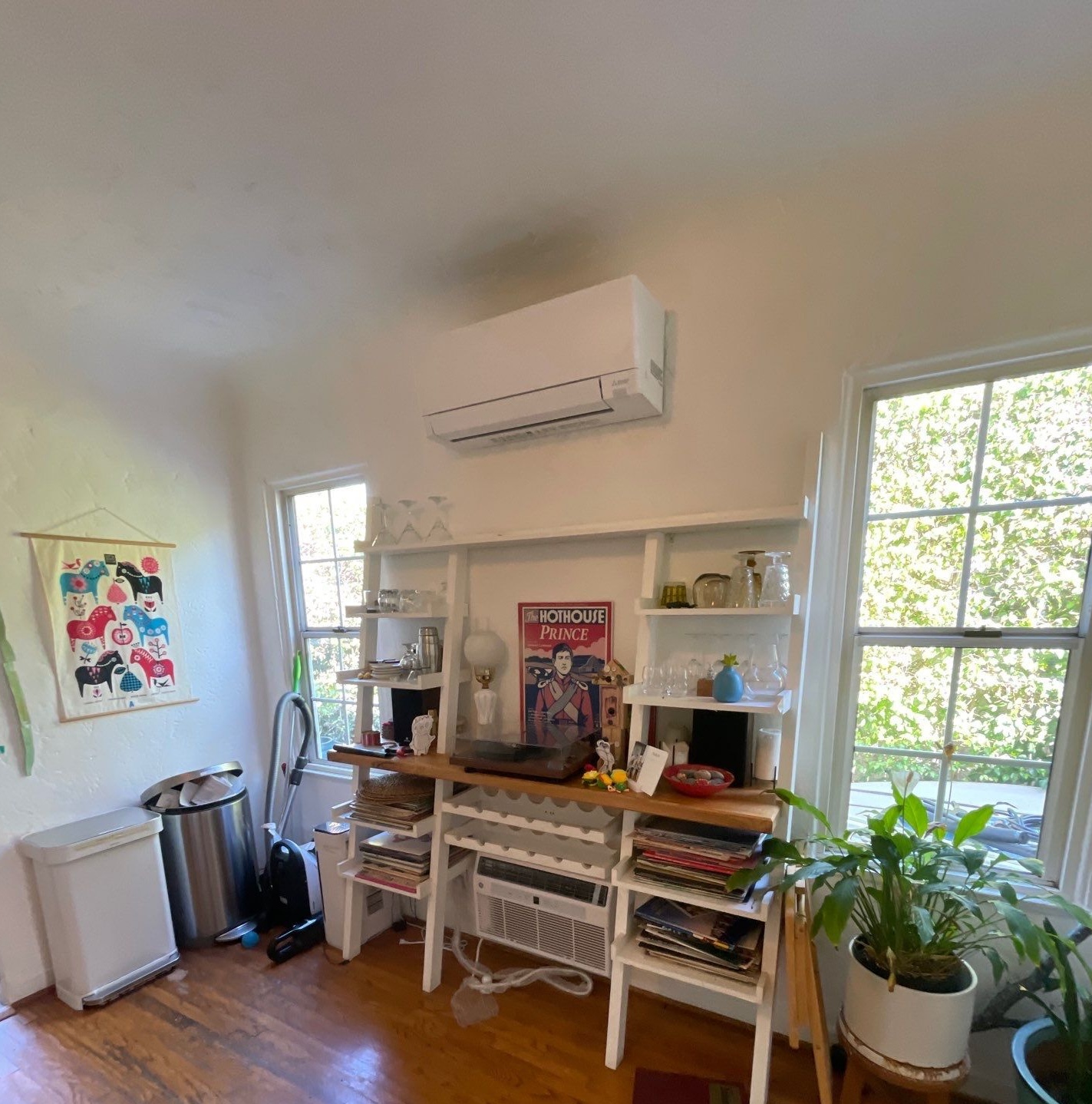
You’ve probably seen them.
Those sleek, wall-mounted units in renovated bungalows. The quiet systems cooling trendy coffee shops. The go-to choice for ADUs (Accessory Dwelling Units like laneway houses and garage conversions) popping up all over the city.
Most people call them mini-splits.
So why do you keep hearing contractors, utilities, and rebate programs talk about heat pumps instead? Are they different systems, competing technologies, or just marketing buzzwords? And more importantly, how do they improve the air you breathe?
We break it down so you can confidently research, compare quotes, and choose the right system for your home or ADU.
Heat pumps vs. mini-splits: The simple answer
Mini-splits are just one type of heat pump. All mini-splits are heat pumps, but not all heat pumps are mini-splits.
“Heat pump” is the umbrella term. “Mini-split” describes one specific type under that umbrella.
Why this matters: if you only search for “mini-split AC system,” you may miss useful information, rebates, or contractors who talk primarily about heat pumps—even though they’re offering the same underlying technology.
What is a heat pump, really?
The name trips people up. But despite the name, a heat pump doesn’t just create heat.
A heat pump is a system that moves heat rather than just creating it by burning fuel. That has a big side benefit for air quality. Because there’s no combustion, there’s no indoor exhaust, fumes, or added pollution. In practical terms:
- In summer, it moves heat out of your home (cooling)
- In winter, it moves heat into your home (heating)
And during wildfire season, that matters. Because heat pumps are electric and pair well with high-efficiency filtration, they let you cool or heat your home while keeping windows closed and filtering out smoke and fine particles (something gas furnaces and older systems weren’t designed for).
| 💡 Did you know? California has a goal of installing six million heat pumps by 2030. (We were at 2.4 million in 2025.) |
The 2 main types of heat pumps
For homeowners, the most important distinction is whether a heat pump uses ducts (a central system) or works without them (a ductless mini-split), since that choice affects installation, efficiency, and how the system fits your home.
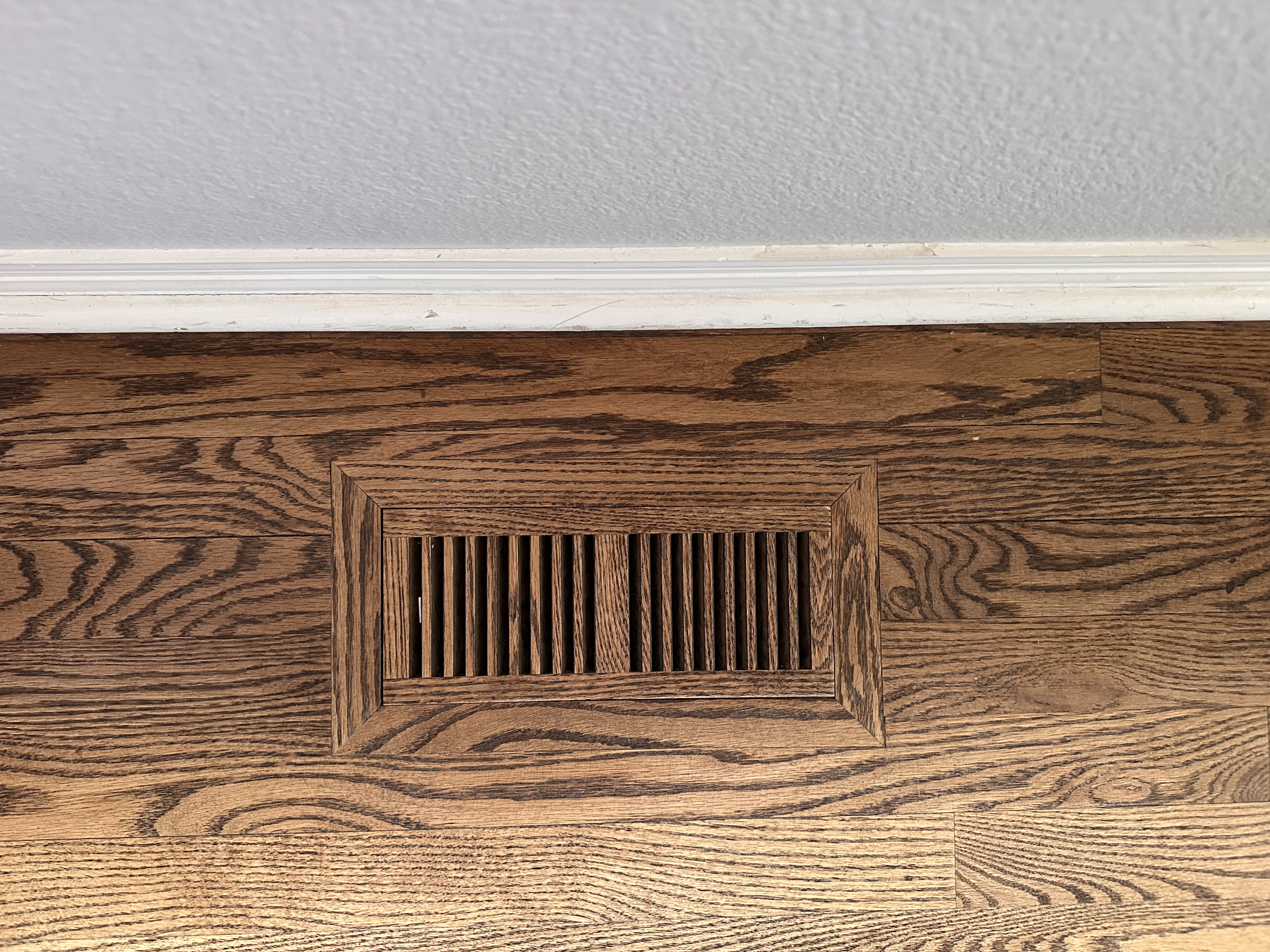
1. Ducted heat pumps, or central systems
These look and feel like traditional central AC systems. They:
- Use ductwork to distribute air
- Typically replace a furnace + AC together
- Are great for homes that already have ducts in good condition
- Have a clean, “hidden” look (with vents instead of wall units)
- Improve your home's indoor air quality and reduce your risk of carbon monoxide poisoning by not burning fossil fuels
If you’ve heard someone say, “I’m installing a heat pump,” this is often what they mean.
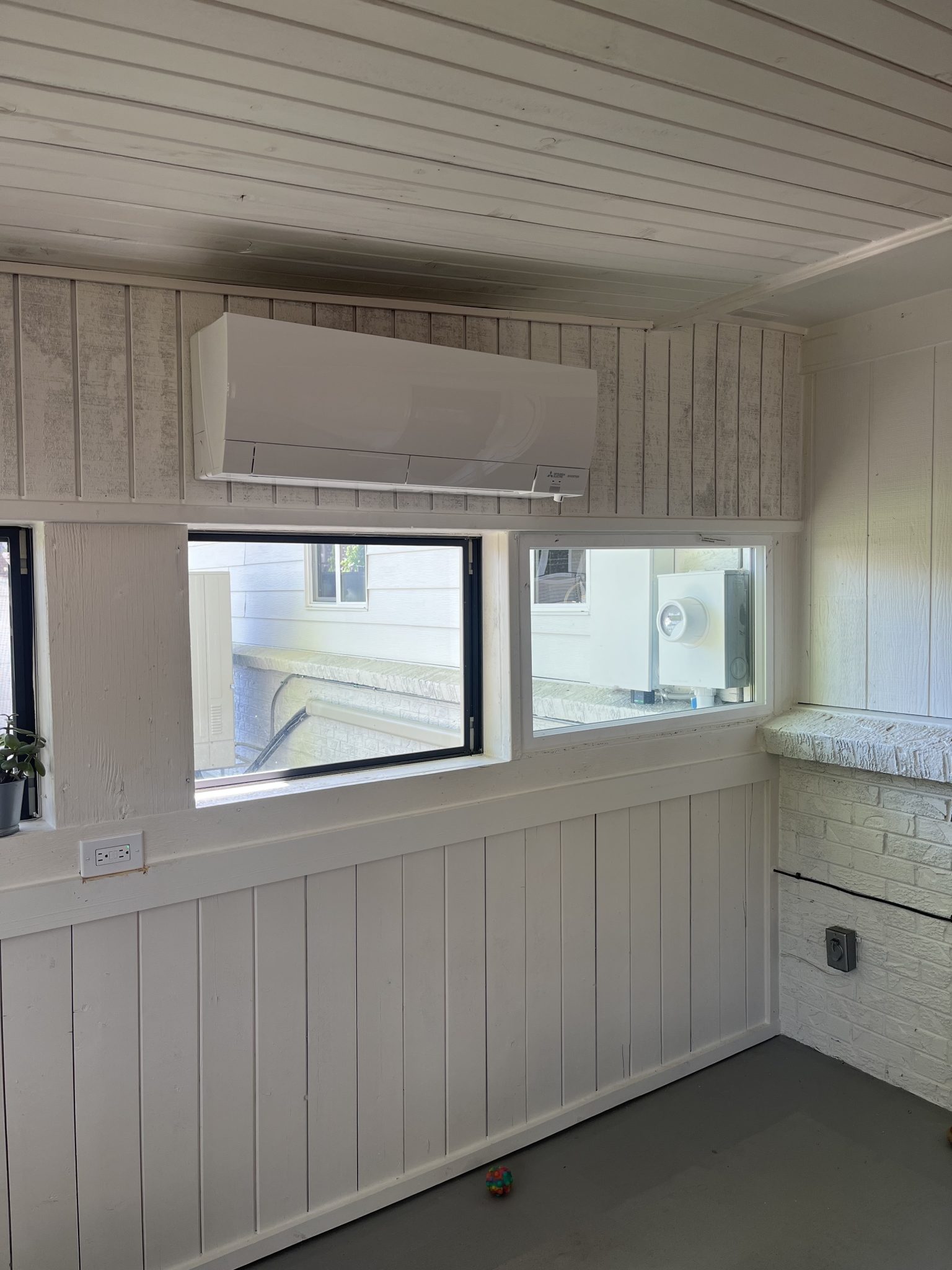
2. Ductless heat pumps, or mini-splits
These are the systems most LA homeowners recognize. They:
- Don’t need ductwork
- Are wall-mounted, ceiling, or concealed indoor units
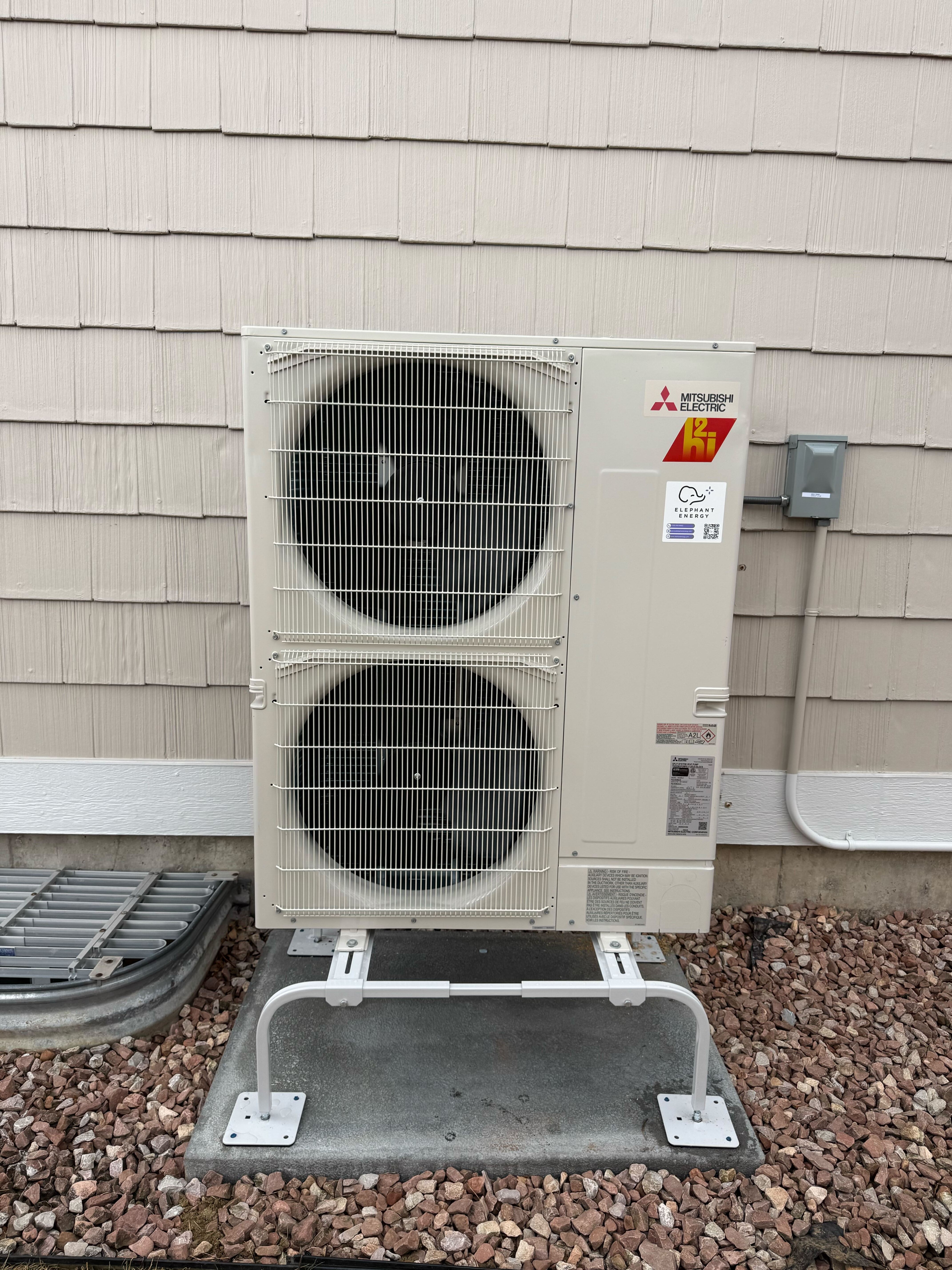
- Are efficient—one outdoor unit can serve multiple rooms (multi-zone)
- Have become really popular in recent renovations and ADUs
- Significantly improve air quality by using advanced built-in filters to capture dust, pollen, and allergens
These are what people usually call ductless mini-split units or ductless air conditioners, even though they also heat.
Quick terminology cheat sheet: Heat pumps vs. mini-splits | |
Heat pump: The umbrella term for any system that heats and cools by moving heat. Includes:
| |
| Ducted heat pump: Central system that uses existing ductwork to heat or cool your whole home | Mini-split: A type of ductless heat pump, usually wall-mounted or ceiling-mounted |
Why LA homeowners hear “mini-split” more often
There’s a reason “mini-split” dominates conversations in Los Angeles.
Many LA homes don’t have ducts
Older bungalows, Spanish-style homes, and hillside houses often rely on wall heaters or window units. Adding ductwork can be destructive and expensive, which makes ductless systems a natural fit.
The ADU boom favors ductless solutions
Mini-splits are practically tailor-made for ADUs because:
- They’re compact and efficient
- They don’t require ductwork
- It’s easy to zone separately from your main house
Modern design preferences
Architects and homeowners love mini-splits for their efficiency and flexibility. While the indoor units are still visible, newer models are quieter, sleeker, and far less intrusive than older designs.
What this means for your HVAC research
Manufacturers, contractors, and rebate programs often talk about the same technology using different terms to consumers. If you only search or ask about “mini-splits,” you can miss systems, incentives, or explanations that are labeled more broadly as “heat pumps.” Knowing how these terms overlap helps you research more effectively, compare apples to apples, and avoid leaving money or better options on the table.
Search smarter
When researching, try using a mix of terms:
- Mini-split AC system
- Ductless mini-split unit
- Heat pump
- Ductless heating and cooling
You’ll uncover more options, better explanations, and more competitive quotes.
Ask better contractor questions
Instead of “Do you install mini-splits?”, ask:
- “Do you install ductless heat pumps?”
- “Do you offer both ducted and ductless heat pump options?”
- “How do you size heat pumps for LA homes?”
Understand rebates (this is big)
Many California and utility rebate programs use the term heat pump, not “mini-split.” If you don’t realize they’re the same, you might assume you’re not eligible when you actually are.
Choosing the right heat pump type for LA homes
Deciding between a mini-split and a ducted heat pump depends on factors like your home’s layout, existing infrastructure, and how you like to control temperature. Both options can provide efficient year-round comfort, but each shines in different situations.
Mini-splits make sense when:
- Your home doesn’t have ductwork. Installing ducts can be costly or impractical, which makes ductless systems a good alternative.
- You’re adding an ADU. Mini-splits let you heat or cool a new unit without touching the main HVAC system.
- You want room-by-room control. With mini-splits, each indoor unit has its own thermostat, so everyone can set their preferred temperature.
- You’re renovating one part of the house at a time. Mini-splits let you add comfort incrementally without overhauling your entire system.
Ducted heat pumps are usually better when:
- You already have ducts in good shape. If you can use your existing ductwork, you’ll save on installation costs.
- You want a more traditional “central air” feel. Air is distributed evenly throughout the house, providing more consistent and uniform comfort.
- You’re doing a whole-home system replacement. Having one central unit that manages the entire home can simplify maintenance and operation.
When to take a hybrid approach
A hybrid system makes sense for many LA homes, especially those with flexible layouts and usage. Consider pairing a ducted heat pump with mini-splits if you want:
- Central comfort in main living areas (living room, kitchen, primary bedrooms)
- Flexible, room-by-room control for additions, upstairs rooms, or ADUs
- Better energy efficiency by conditioning only the spaces you use
- Easier retrofits in specific areas where adding or extending ductwork is costly or impractical
- Future-proofing for renovations and new units, or if you anticipate household needs evolving
Special considerations for ADUs
ADUs have unique heating and cooling needs. If you’re planning HVAC for an ADU, keep these points in mind:
- Independent systems are often easiest. A mini-split allows the ADU to have its own temperature control without interfering with the main house.
- Space constraints matter. With ductless systems, you don’t need large ducts running through tight spaces.
- Permit and code requirements. Some municipalities require separate meters or system isolation for ADUs. Ask your contractor for more details.
- Rebates and incentives. Many utility programs treat ADUs as separate dwellings, so mini-splits may qualify for rebates independently.
The LA advantage: Why heat pumps shine here
Heat pumps are uniquely well-suited to LA’s climate, with its mild winters and hot summers—they’re an ideal choice for year-round comfort here.
Mild winters = peak efficiency
Heat pumps work best when outdoor temperatures stay moderate, which pretty much describes Los Angeles’ climate.
Superior cooling for hot summers
Modern heat pumps deliver highly efficient, variable-speed cooling. That’s perfect for heat waves (without the energy spikes of older AC systems).
Bonus heating when you need it
Even if you don’t think of LA as “cold,” winter mornings and evenings can get chilly. A heat pump replaces space heaters, wall furnaces, and inefficient gas systems with clean, even warmth.
Better air quality
Mini-splits and other heat pumps use advanced filtration and don’t rely on combustion. This is an especially important benefit during wildfire season and for overall indoor air quality.
So… Mini-splits or heat pumps?
The key takeaway is simple: mini-splits are a type of heat pump, and heat pumps include mini-splits. The difference is just in how they deliver heating and cooling.
Once you understand that, you can confidently explore system options, take full advantage of available rebates, and choose the right solution for your LA home or ADU.
If you’re ready to take the next step, use both terms, ask better questions, and don’t let outdated language stand between you and a more comfortable, efficient home.